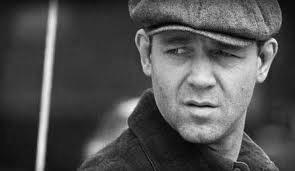
A mark of really good writing is a scene in which the main opponent gives a moral justification for his actions, even though he is wrong.
– John Truby, ANATOMY of STORY, p 138
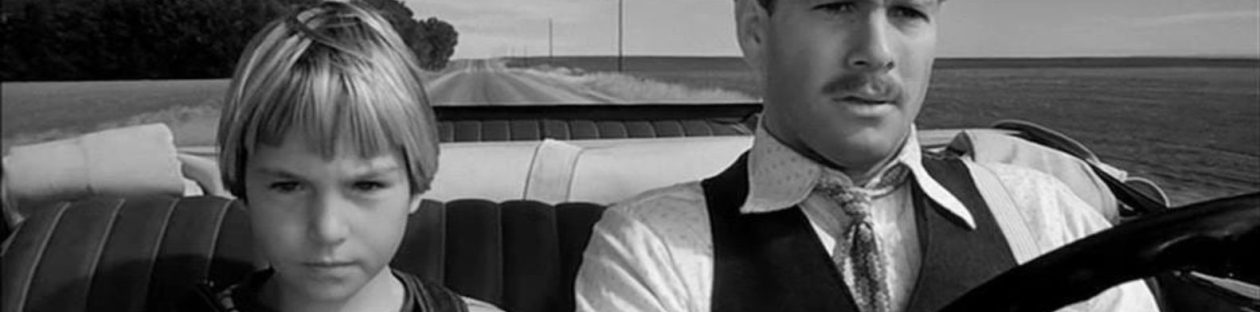
A mark of really good writing is a scene in which the main opponent gives a moral justification for his actions, even though he is wrong.
– John Truby, ANATOMY of STORY, p 138
Throughout the middle of the story the hero and the opponent come into increasing conflict. Through this conflict a difference in values begins to emerge.
– John Truby, Anatomy of Story p 120
“In good stories the hero has a single overriding goal that he pursues with greater and greater intensity.”
– John Truby, Anatomy of Story p87
“What comes from the Heart, goes to the Heart.”
– True and False
“The battle is where the hero usually (but not always) fulfills his need and gains his desire.”
– John Truby, ANATOMY of STORY, p300
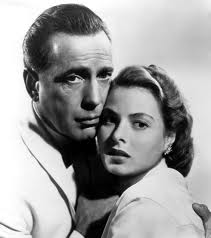
“The audience revelation is the moment when the audience – but not the hero – learns an important piece of new information. Often this is when the audience learns the true identity of the fake-ally opponent and the fact that the character they thought was the hero’s friend is really an enemy.”
John Truby, ANATOMY of STORY, p297

“The fake-ally opponent is valuable because he is inherently complex. This character often goes under a fascinating change in the course of the story. By pretending to be an ally of the hero, the fake-ally opponent starts to feel like an ally. So he becomes torn by a dilemma.”
– John Truby, ANATOMY OF STORY p 285
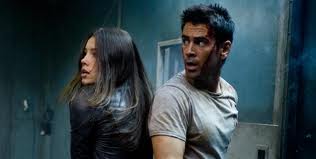
Let’s face it, no professional writer should be using cliches, unless it’s for good reason, like a character trait or dialogue tic, especially when you’re writing for a Showtime hit like DEXTER.
So why, 2 minutes into the episode is true crime writer and Deb’s new love interest Sal Price saying the age-old maxim:
‘Old habits die hard’ ?
Because it’s brilliant foreshadowing, in 2 ways –
a) the habit he’s referring to is going to be the poisonous chalice he sips from later
and
b) he literally does ‘die hard’
Without spoiling too much, watch the episode and see this ingenious set-up.
Season 7 Episode 7. Scene breakdown available here.

To find the best inciting event for your story, keep in mind the catchphrase “from the frying pan into the fire.”
– John Truby, ANATOMY of STORY p278

1. WEAKNESS
2. DESIRE
3. OPPONENT
4. PLAN
5. BATTLE
6. SELF-REVELATION
7. NEW-EQUILIBRIUM
“The seven steps are not arbitrarily imposed from without the way three-act structure is. They exist in the story. These seven steps are the nucleus – the DNA – of your story and the foundation of your success as a storyteller because they are based on human action.They are the steps that any human being must work through to solve a life problem.”
(p40)