Category Archives: Moral Argument

“Time” by Jimmy McGovern – episode 1 structure

I asked chatgpt how does Jimmy McGovern structure episode 1 of Time. This was the response.

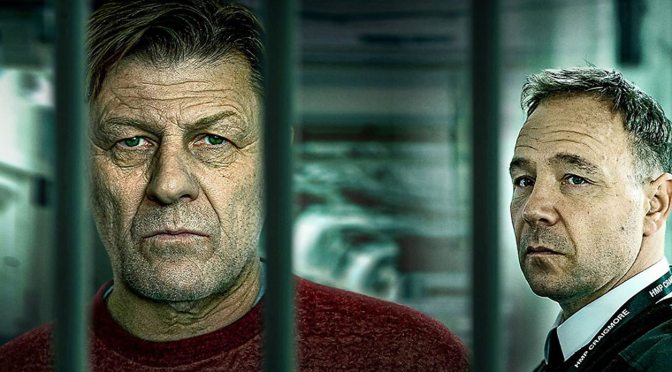
In Episode 1 of Time, Jimmy McGovern skillfully structures the episode to immerse viewers in the harsh, tense environment of a British prison while introducing the complex inner lives of the main characters. McGovern, known for his gritty, character-driven storytelling, uses a dual narrative approach to introduce the two main characters, Mark Cobden (played by Sean Bean) and Eric McNally (played by Stephen Graham), and to establish the emotional stakes that drive the story forward.

  1. Establishing Characters and Context: The episode opens with Mark, a former teacher, who is sentenced to four years for causing a fatal car accident. The narrative dives directly into his vulnerability and isolation as he enters prison, giving viewers a raw look at the fear and guilt he feels. In parallel, we meet Eric, a seasoned prison officer, whose moral integrity and deep care for the inmates contrasts sharply with the brutality of the prison environment.
  2. Conflict and High Stakes: McGovern quickly escalates tension by throwing Mark into confrontations with fellow inmates, exposing the brutal reality of prison life. He also creates immediate tension for Eric, who is forced into a moral dilemma when a gang threatens his family. This dual conflict (Mark’s survival and Eric’s integrity) drives the episode’s structure, balancing empathy and suspense.
  3. Developing Themes of Guilt and Redemption: Throughout the episode, McGovern interweaves themes of guilt, redemption, and justice, exploring these through the contrasting lives of Mark and Eric. Flashbacks and dialogue subtly reveal Mark’s remorse, highlighting his emotional journey, while Eric’s ethical struggles reveal his vulnerability, adding depth to the narrative.

By ending the episode on cliffhangers for both characters, McGovern effectively hooks viewers, leaving them invested in the fate of these two men whose lives are irrevocably intertwined within the brutal confines of prison.

MA Mod 2 Week 4: Transcending the Genre

So week 4 was 1:1 tutorials. I was privileged to pitch my 15 minute short film Piano to the course leader.

I had already decided to rewrite my female character as a law student without being an escort. The story itself is already a metaphor for consent. Nuff said.

I pitched it as a romantic comedy, even though in my short, as in Notting Hill, rather than the two central characters sharing equal screen, time narrative weight seemed to favor the boy.

So it was suggested to perhaps pitch it as a personal drama with a comedic tone. That way I won’t have to worry about giving the two central characters equal screen time, but can focus on the learning curve of the male character – learning his lesson at the feet of the woman he loves – following his journey.

I checked the defining qualities of the personal inner drama genre as per Philip Parker‘s breakdown and decided that my story fits.

John Truby (22 Steps of a Master Storyteller) teaches about transcending the genre.

The reading this week was Alternative Screenwriting, one of the chapters is called ‘Working against Genre.’

So, my task this week is to pitch this story as a personal inner drama with elements of the rom com, and, importantly, to be specific about which elements of each genre.

And then, record and upload it for grading.

After that, my task will be to ensure the want and need of my hero is in place. Not only that, but to ensure that the climax happens like this:

The Hero has a moral revelation of his ‘need’. The revelation causes him to take new moral action. As a result of this change my hero is able to achieve his goal.

So, my second task this week is to ensure my hero’s outward physical goal and inner need is set in stone in my mind.

What are your tasks this week?

Wisdom from Truby: The Single Grand Symbol

“In For Whom the Bell Tolls, the single image of the tolling bell signifies death. But the phrase ‘for whom the bell tolls’ refers to another line that is the real key to the designing principle of the story and the theme that comes out of it. That line, from John Donne’s Devotions Upon Emergent Occasions, is:

‘No man is an island entire of itself…Any man’s death diminishes me, because I am involved in Mankind. And therefore never send to know for whom the bell tolls. It tolls for thee.’

The symbol of man, not as an island but as an individual in a community, organizes this story under one image, and it implies the probable theme line: in the face of death, the only thing that gives life meaning is sacrificing for the individuals you love.”

– John Truby, Anatomy of Story, p111.

The Black Comedy System

This is how the black comedy works:

  • Many characters exist in an organization. Someone explains the rules and logic by which the system operates in great detail.
  • Many of these characters, including the hero, go after a negative goal that involves killing someone or destroying something.
  • Each believes strongly in the goal and thinks what he is doing makes complete sense. In fact, it is totally illogical.

This is a short extract from the section on Black Comedy from John Truby’s brilliant book – Anatomy of Story  (p135)

“You’re a funny guy!”