Category Archives: Scriptcat

Is your opening 10 mins a cool hand?

I asked multi-produced screenwriter Mark Sanderson aka @scriptcat this question:

What’s the most important thing you show in the opening ten pages?

This was his reply:

First ten eh? Get right into the action!  Definitely something with the character, who he or she is just from one thing they do or how they act — we know instantly… and their dilemma — and the important characters on the journey. Maybe open with a memorable image – definitely all set up stuff — fewer words the better and more images. Cut into the story in progress – definitely.

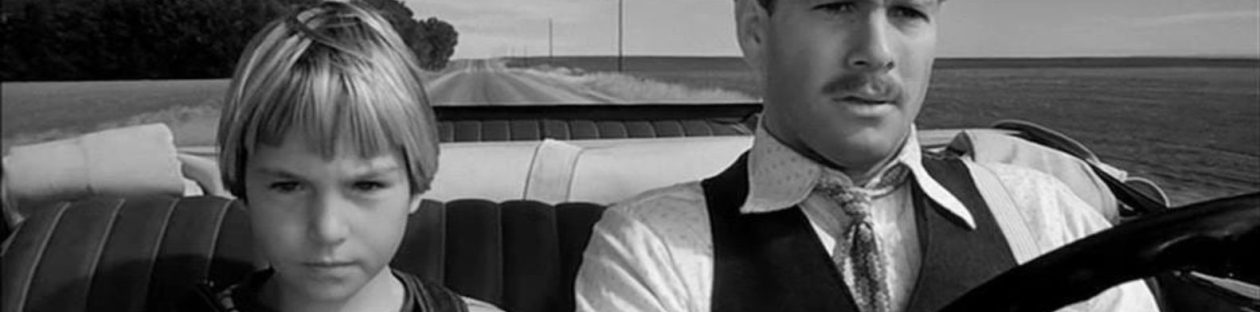
I always remember the opening scenes (first minute & a half) of COOL HAND LUKE – says it all about his character for sure.


Hell, I’m just trying to please my producer!  But he loved my opening scene in my first draft. The location, atmosphere, character in action doing something specific and “in character” that tells us some of her back story, the antagonist comes into scene and stops her, and we’re off to the races!

Mark Sanderson aka Scriptcat
Follow Mark on Twitter @scriptcat

Dude, what’s your secret?!

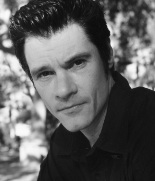
Mark Sanderson aka ScriptcatMark Sanderson aka @scripcat has had 7 films produced and has written 27 feature screenplays.

I asked him:

Dude, what’s your secret?! What’s the single most important factor you keep in mind when writing your screenplays?

This was his awesome reply:

I think there are many important factors that I keep in mind before I ever go down the pathway of taking an idea to a story and eventually a fully realized spec screenplay. After graduating film school it used to be if I could sell the script or not — that’s a fool’s endeavor trying to play the Hollywood spec, big budget screenplay sale game and trying to figure out if they will buy my genre or not. Chasing a big sale will deliver nothing but frustration and grief.

In addition, it will take years of bouncing the script around town and it may never sell. You’ll need to be working a job to pay your bills during this time and it gets difficult to hang on with the hopes to sell every spec that you create. The reality is that just because you write it doesn’t mean anyone will “love it.” You need to write from your heart and it will show in the work.

My buddy is writing a romantic comedy and it’s not a personal story so he’s obviously trying to make it as commercial as possible to sell it to Hollywood and play in the “big leagues.” And now I read that the romantic comedy is dead in Hollywood. The genre has not done well lately and they are not making them anymore so I ask him, “Why are you writing this movie genre?” Is the spec going to be a writing sample or is it something you actually think you can sell to the studios as an un-produced writer?  I believe it’s the second reason so he’s chasing an illusive ghost and in my opinion not utilizing his limited writing time properly.

I told him he should be writing a spec that is near and dear to his heart as he’s not going to be able to compete with known writers with a script that is a long shot at best. It’s a high concept commercial Hollywood script that will not sell because of the genre. Sure, it may get him meetings…but why waste time on a script that has limited potential? Write something personal and from the heart and it will showcase your writing ability.

Try writing what you care about and that will come through in the screenplay. Your passion will shine through and attract interest in quality work. Back when I was first pursuing my career, I did this with my original script I’ll Remember April and it placed in the top 20 of all Nicholl Fellowship entries that year and later went on to be optioned, purchased and produced and distributed globally.

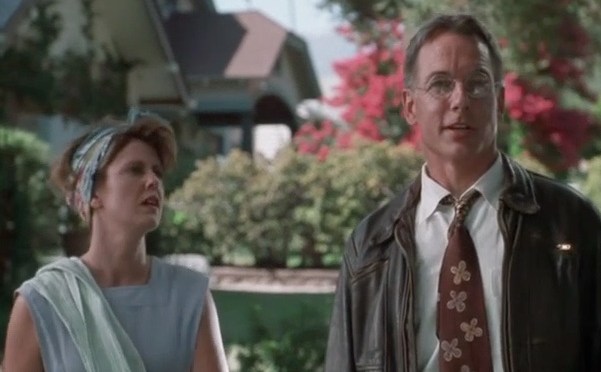
I'll Remember AprilI don’t write specs much anymore as my jobs are screenplay assignment work. I just had my seventh film produced and I try to please my boss the producer who is paying me so he can hire me again. It’s the nature of building a career to write films that get produced and to build a great working relationship with producers. Those writers who have lofty ideals about writing something that will compete with top screenwriters who already have credits and relationships with studios and producers — it’s a big dream and a big risk of time. Carve out your own unique brand and sell them on “you.”

I don’t think there is only one important factor, but many.  I think to myself before I start: “Is my idea commercial and can it translate to the most people possible so a producer/director will see the potential and want to make it?”  I recently consulted on a project for a screenwriter who asked for my honest opinion on his script. He recently had been getting a lot of rejections by producers with it and told me, “They just don’t get it.” I shook my head in silence. Maybe when four different producers “just don’t get it” — it could be that the screenwriter just didn’t get it. Repetitive notes from different sources must be considered. I told him that his movie was not big enough or commercial enough to go into 4,000 screens on opening weekend.

That’s the reality of the business. It’s actually a smaller film, maybe indie art house film or a something for TV, but he is aiming for the top of the mountain. And that’s okay, but that comes with a lot of risk, just like writing a spec that can only be produced for $150 million and being an unknown writer with no attachments on the project. Seriously?

Write a kick-ass script that can be produced for about $1.5 million and IT COULD ACTUALLY GET MADE! Find an actor who loves it and will tell you to attach them while you find the money. Go out and do it and make it happen. Stop trying to chase the brass ring of Hollywood studio films and constantly coming up short and rejected. Ah, but who wants a small film, right? We all want the summer blockbuster with the “A-list” career, the home in the hills and the millions in the bank.

Sure, I wanted the same just out of film school and then after about six or seven years of getting knocked around and brutalized, I realized just how fucking hard it was to reach the “A-List.” I have close friends on the “A-list.” They suffer the same trials and tribulations like everyone else just at a bigger level.  Hell, since I was a kid I just wanted to just make a living anyway from what I loved to do — making movies. My dream has been realized over a dozen times with getting paid for assignment jobs and one spec sale. Seven of those dozen scripts were produced and made it to little and big screens around the world. I’m living my dream.

So, there are many factors that I ask myself before writing a spec screenplay:

WHY AM I WRITING THIS PARTICULAR STORY?
IS IT FOR ME? MY PASSION PROJECT?
IS IT FOR THEM? AM I CHASING A BIG SALE?
IS IT TO SHOWCASE MY ABILITY AS A TALENTED WRITER?
IS IT TO ACTUALLY PRODUCE MYSELF OR DIRECT?
OR IS IT BECAUSE I AM DRIVEN AND MUST TELL THIS STORY?

Honestly consider why you are screenwriting and why you are writing your particular story. How you write it is as important as what you write. Keep the faith and filling your blank pages.

Mark Sanderson aka ScriptcatMark Sanderson (aka @scriptcat) is a veteran of the screenwriting game with over fifteen years of experience and has worked with Academy Award® winning producers, veteran directors, and Academy Award®, Emmy® and Golden Globe® acting nominees. Mark’s indie and TV films have been distributed globally and have opened and premiered at major festivals. His seventh produced film “Sara’s Choice” is in post production and stars Franchesca Eastwood. Check out his popular screenwriting blog MY BLANK PAGE and look for his new book “A Screenwriter’s Journey to Success” coming in November on Amazon. 

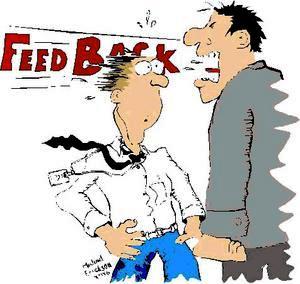
“Feedback is a rite of passage” by Scriptcat

When you finish your precious screenplay you’re eager to receive feedback and this can be a vulnerable time for you and the script. This is why you never want to give out your script for a read before it’s ready—only when you’re confident it’s the best draft you can possibly write and you feel that you’re “written out.”  Feedback is an important part of any screenwriter’s growth on their journey, but make sure you don’t set your expectations too high and then become disappointed when you don’t receive the praise you expected.  I think Hemingway said it best:


All you need to do is write truly and not care what the fate of it is.

I think too many aspiring screenwriters write new scripts and suffer under their self-imposed pressure of having to sell it. What are the odds? Astronomical. The safer bet is writing a new script for the sake of telling a story that you need to tell and making sure it’s the best example of your ability. Many times something does not sell but garners you meetings and eventually screenwriting assignment jobs—the bread and butter of working writers.

Many new screenwriters don’t take feedback well or don’t know how to execute the notes that are given.  As they say, “everyone has an opinion” and that’s true, but you need to be able to filter the good feedback from the bad and be open enough to use the good notes and push your screenplay closer to a better draft.

When you’re finally working at a professional level, you’ll need to be a team player and not a diva when it comes to feedback.  Screenwriting is all about the execution of the script and as you continue to write new material you will need to execute your ideas on a professional level. This is necessary to compete in a very crowded and competitive marketplace.

Be careful when open yourself up to feedback and set your expectations too high. We all have expectations after we complete a script.  You know the creative high that you felt during writing and now you might be coming off that high as you turn in your draft and await feedback.  Did you get notes and they are not exactly what you expected?  Were you disappointed they didn’t appreciate the work enough — or maybe didn’t understand it enough?  Maybe they felt your execution was off?  Perhaps you become down on yourself as the insecure voices scream in your head about your lack of ability?  You may even question what you thought was some of your best work only a week ago.  You are not alone my fellow screenwriters.

We all need a pat on the back or just a “job well done” when we finish a screenplay. Most of the time, the pat on the back will come from you alone.  Writing the script is one thing, turning it into your producer and waiting for feedback is entirely another.  It’s easy to take notes personally because your script is your baby and your writing exposes yourself and your talents to criticism.

If you can’t handle criticism, start to work on acceptance of feedback, as it will make your journey as a working writer a lot less bumpy.  Notes and changes are a given with a screenplay.  Perhaps it will make the process easier to always remember that screenwriting is all about rewriting. Detach from the material and expectation from any outcome.  Do not hang on every word or sentence.  You’re not alone.  A writer’s life is a tough job at best.

As screenwriters we must stay open to constructive criticism because screenwriting is all about collaboration.  We will always receive notes because a script is an ever-changing blueprint for a movie.  Once producers, a director and actors get involved there will be many changes and you should welcome the creative input from your co-creators on a project.  These fellow artisans will bring it to an entirely new level of creativity.

You can become frustrated and feel like throwing in the towel if the process gets dragged down by so many changes. Stay positive, focused and persistent at executing the notes and turning in a better script.   Find the passion you had for the first draft and put that energy into shaping a new draft that will please not only yourself, but also the talent it will eventually attract.

Along with the successes, I’ve had to deal with disappointments and frustration throughout my writing career from feedback, but I continue to love the craft of screenwriting.  I’ve been able to view the entire process from a larger perspective and focus on the task at hand — to get the script into better shape as a team player.

If you are lucky enough to be paid to write, it becomes your job.  You go to work, write all day, go home, come back tomorrow and wash, rinse and repeat.  Screenwriters have pages to write and without filling those blank pages there would be no script.

Take your feedback seriously, but don’t take it to heart.  Trust in your writing abilities and if you allow the disappointments to take you into a bad place, address your feelings but then focus on the task of executing your notes.

Stay out-of-the-way of the story and put your ego aside.  Everyone is here to serve the story to the best of their creative ability.  If you want to play with the big boys, at some point you’re going to be bruised and beat up.  It’s just the rites of passage necessary for the growth of a writer.

Part of the deal is that you want people to read and love your material, right?  If producers or executives agree to a read, give them ample time to get back to you.  A gentle nudge in a few weeks is completely acceptable, but if you contact them before, you’ll seem desperate and no one likes to be hounded.

I remember a producer warned me, “Stay on me about your project, because I tend to get busy.”  That’s fine.  But use common sense and put yourself in their situation for a second.  Your script is the most important thing in the world to you after you finish, but you have to understand that it’s not on their front burner at the moment.  One E-mail or text is fine to check up — four is not.

Be open to the entire process of writing — the feedback, rewrites and all.  No disappointments only triumphs when you complete a project.  There will always be creative highs and lows.

Do your best not to allow your disappointment to be perceived as a failure and then sink into the morass of fear and insecurity in your creative soul. This will lead to the horrible act of chasing screenplay notes. Avoid this at all costs. A good discipline to follow for the long haul of a screenwriter’s survival is Chinese philosopher Lao Tzu’s advice:

Act without expectation.

Also be patient.  A career does not happen overnight and part of your journey is becoming a better writer and finding your unique voice — one that producers will grow to love, trust and hopefully employ!

Keep filling your blank pages and keep the faith.

Scriptcat out!

Mark Sanderson (aka @Scriptcat) is a Los Angeles based veteran of the screenwriting game with over fifteen years of professional experience and has worked with Academy Award® winning producers, veteran directors, and Academy Award®, Emmy® and Golden Globe® acting nominees on his produced films and screenwriting assignments.  Mark’s films have been recognized and distributed around the world and have opened and premiered at major festivals.
His popular screenwriting blog MY BLANK PAGE was Script Magazine’s pick for “Website of the Week” and had over 50,000 reads last year.  He also offers screenplay consultation services and workshops on his website:
Header

Screenwriters need to protect their precious screenwriting time…

As you travel along on your screenwriting journey, you’ll discover that time bends and burns quickly in Hollywood. The best discipline you can master early on is being mindful of time and your writing schedule. It can be your friend and many times your enemy—it all depends on how you use those precious hours, days and weeks. As screenwriters we must regard our writing time as precious and do everything in our power to protect our working time from the forces of interruption and procrastination. I know many non-writers who do not regard writing as real work and believe it’s just playtime because it’s creative. As we know—it’s work and hard to do well.

An ex-girlfriend used to tell me that I could “always write on the weekends” as if writing was not part of my daily routine or schedule.  If I have a writing deadline and friends invite me out and I turn them down, they always think I’m making up excuses when in reality—I’m actually working.  I recall once that I had to work for twenty-four hours straight to complete 26 pages to finish a script as the producer notified me the investors were in town and wanted to see a draft the following day.  I carved out my writing time and protected every moment by not answering the phone or spending time on the internet.  I focused, sacrificed and completed the assignment as asked.

As a screenwriter, you must consider writing a job and this helps you to think of yourself as a professional. This is true even if you’re working on a spec.  It’s good practice and prepares you for the time when you do get paid to write and the producer requires you to complete the script on a deadline. You’ll already have this priceless experience if you stick to your own schedule by protecting your writing time from interruption and distraction.

When I’m working on a screenplay assignment, it is a job and I try to write six to eight hours a day—every day.  That’s the type of schedule it takes to complete a script by a set deadline and dabbling a few hours here and there will not do it.  Screenwriting is all about routines and schedules and when the writing gets difficult, I know writers are easily distracted.  I’ll admit it happens to me often.  This is dangerous because when distracted, writers tend to procrastinate and ultimately stop writing.  This is the time when others chip away at our precious writing time and can lead us astray.  We actually do want to go out and have a good time, it’s just we have work to do. It’s simple—pages do not appear by magic, but from writing.

Choosing the right place to write will also help you to protect your precious writing time.  If you’re constantly interrupted as you write at home, consider working at the library, a coffee shop or even renting a small space to write.  As renting an office can become pricy, many paid work-spaces have sprung up where you can buy membership access to a quiet working environment.

When a producer hired me last year to write a screenplay, he bought me a month membership to a writer’s workspace appropriately called The Office in Santa Monica, California. I was extremely productive every day as a result.  The Office specifically caters to screenwriters who take their writing time very seriously.  They even enforce a no cell phone or talking policy for all members.  It’s a terrific spot for hard-core writers who take their craft seriously. If you’re there—you are there to write. As a result, I completed the script in four weeks because I was able to work uninterrupted.

The longer you write the more you’ll get to know about yourself as a writer. You’ll discover your strengths and weaknesses, if you can write fast or slow, and if you’re easily distracted or if you can work in a crowded coffee shop. When the writing gets difficult, and it will, time becomes your enemy as you never know each day if your creative juices will flow or dry up.

Do yourself a favor and always protect your precious writing time from the forces of interruption.  You’ll keep on a schedule, your writing will become a habit, and you will be more productive than ever before.

“Work every day.  No matter what has happened the day or night before, get up and bite on the nail.” – Ernest Hemingway

When I’m writing, it’s all the playground, and the worst three hours I ever spent there were still pretty damn good.” The work starts by finding a door… you are willing to shut, avoiding distractions such as telephones and video games. Put your desk in the corner, and every time you sit down there to write remind yourself why it isn’t in the middle of the room. Life isn’t a support-system for art. It’s the other way around.”—Stephen King, On Writing 

“The time we have alone; the time we have in walking; the time we have in riding a bicycle; are the most important times for a writer. Escaping from a typewriter is part of the creative process. You have to give your subconscious time to think. Real thinking always occurs on the subconscious level.”—Ray Bradbury

“One of the things that young writers falsely hope exists is inspiration. A lot of young writers fail because they aren’t putting in the hours. I had a great, great editor, Hiram Haydn, who had many children and was a novelist. Toward the last years of his career, the only time he could write was Sunday morning. He would write four hours every Sunday morning. And he would get books done. It would take him years, but I think it’s crucial that we have some kind of rhythm. Whether you can write all day every day, or whether you can write four hours on Sundays, whatever it is, you have to protect that time.”—William Goldman

“You must have a room, or a certain hour or so a day, where you don’t know what was in the newspapers that morning, you don’t know who your friends are, you don’t know what you owe anybody, you don’t know what anybody owes to you. This is a place where you can simply experience and bring forth what you are and what you might be. This is the place of creative incubation. At first you may find that nothing happens there. But if you have a sacred place and use it, something eventually will happen.”—Joseph Campbell