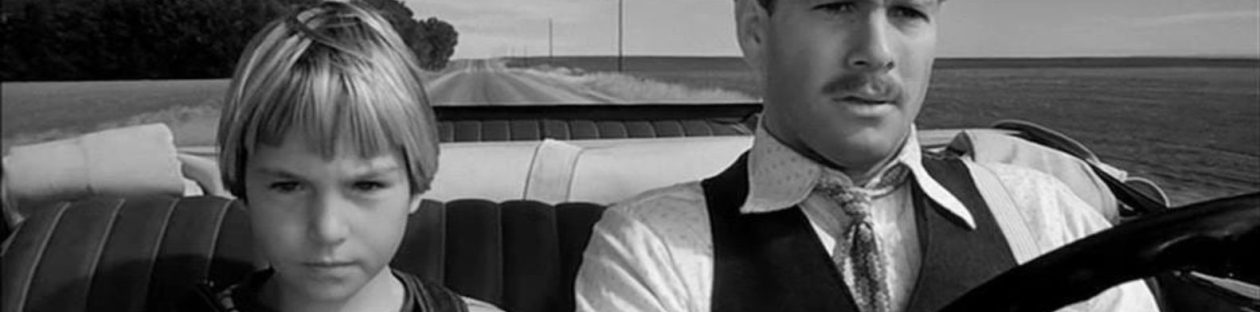
“Remember the key difference: A psychological weakness or need affects just the hero. A moral weakness or need affects others.”
– John Truby, Anatomy of Story (p53)
Category Archives: #screenwriting
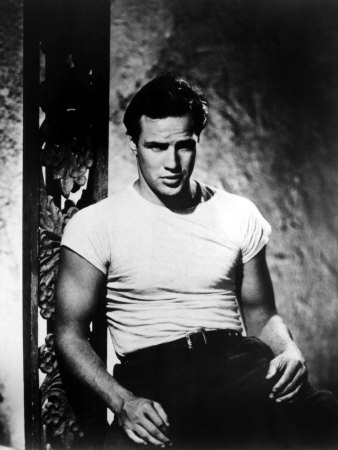
Need.
“Give your hero a moral need as well as a psychological need.”
– John Truby, Anatomy of Story
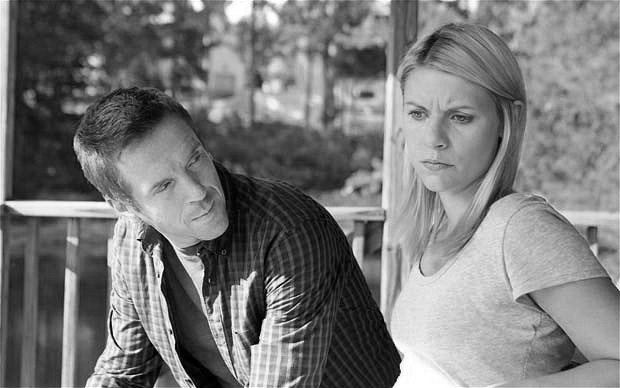
Stupid Idea?
“Don’t censor or judge yourself. Don’t ever tell yourself that any idea you come up with is stupid. “Stupid” ideas often lead to creative breakthroughs.”
– John Truby, Anatomy of Story
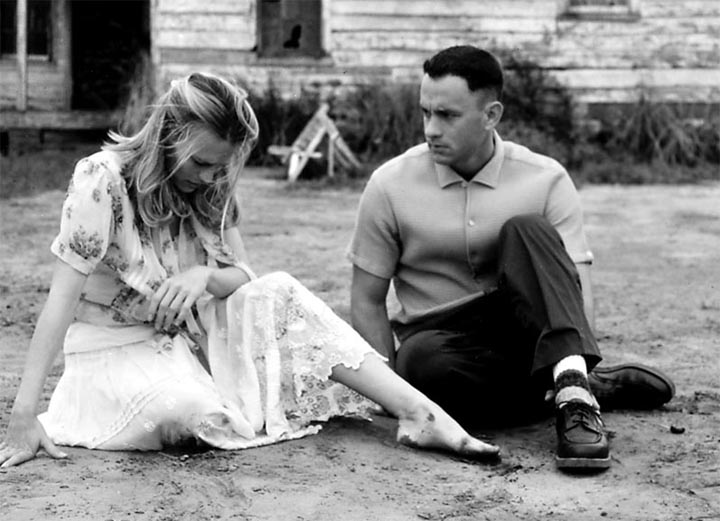
Which character ?
“Always tell a story about your best character. ‘Best’ doesn’t mean ‘nicest’. It means the most fascinating, challenging and complex, even if that character isn’t particularly likeable.”
– John Truby, Anatomy of Story.

Are your secondary characters valuable and complex?
“Each time you compare a character to your hero, you force yourself to distinguish the hero in new ways. You also start to see the secondary characters as complete human beings, as complex and as valuable as your hero.”
– John Truby, Anatomy of Story

The moral argument.
“The moral argument is most powerful when it is most dramatic. This means holding off the hero’s moral self-revelation until as close to the end of the story as possible.”
– John Truby, Anatomy of Story

Freeing the dialogue
“When you let structure do the heavy lifting to make the moral case, you free up the dialogue to do what it does best, which is provide subtlety and emotional force.”
– John Truby, Anatomy of Story

What must your hero learn?
“What must your hero learn by the end of the story about the right way to act and live in the world ?”
– John Truby, Anatomy of Story.
Today’s Top Tip: Be bad!
“Give yourself an excuse to say ‘here’s the bad way to do this.’ It might be great.”
– Blake Snyder – Save the Cat Strikes Back.
The central moral problem
“State in one line the central moral problem your hero will confront throughout the story.”
– John Truby, Anatomy of Story


