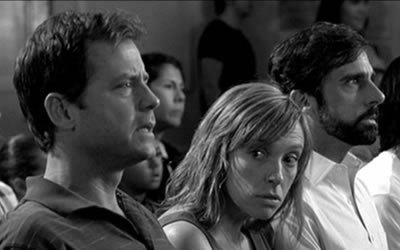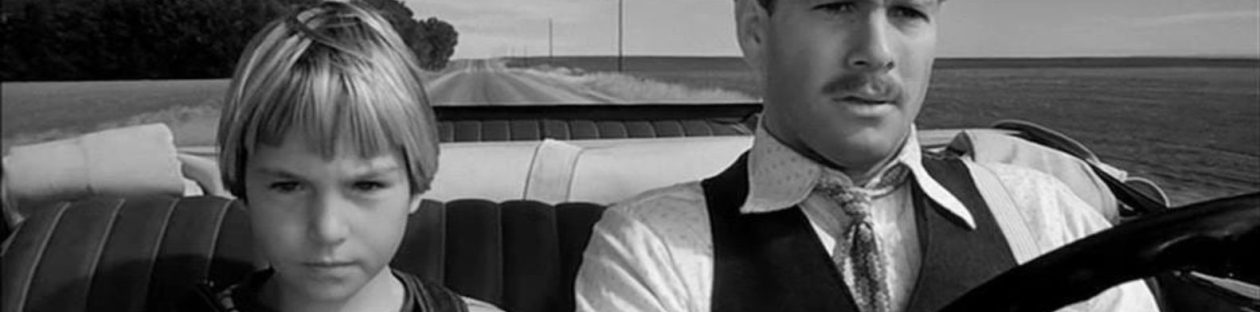
“Identify a set of values for your hero and each of the other major characters. Remember, values are deep-seated beliefs…”
– John Truby, Anatomy of Story, p117

Major character? Moral problem?
“Make sure each of the major characters deals with the same moral problem, but in a different way.”
– John Truby, Anatomy of Story, p115

Major characters + moral problems
“Make sure each of the major characters deals with the same moral problem, but in a different way.”
– John Truby, Anatomy of Story, p115
The Central Moral Problem
“Look again at the final moral decision and your work on the premise line so you are clear about the central moral problem your hero must deal with in the story.”
– John Truby, Anatomy of Story p115

Your Hero’s Moral Decision
“Once you have figured out the deepest moral opposition by looking at the hero’s final moral choice, you detail this opposition through the character web by making each of the major characters a variation on the theme.”
– John Truby, Anatomy of Story p115
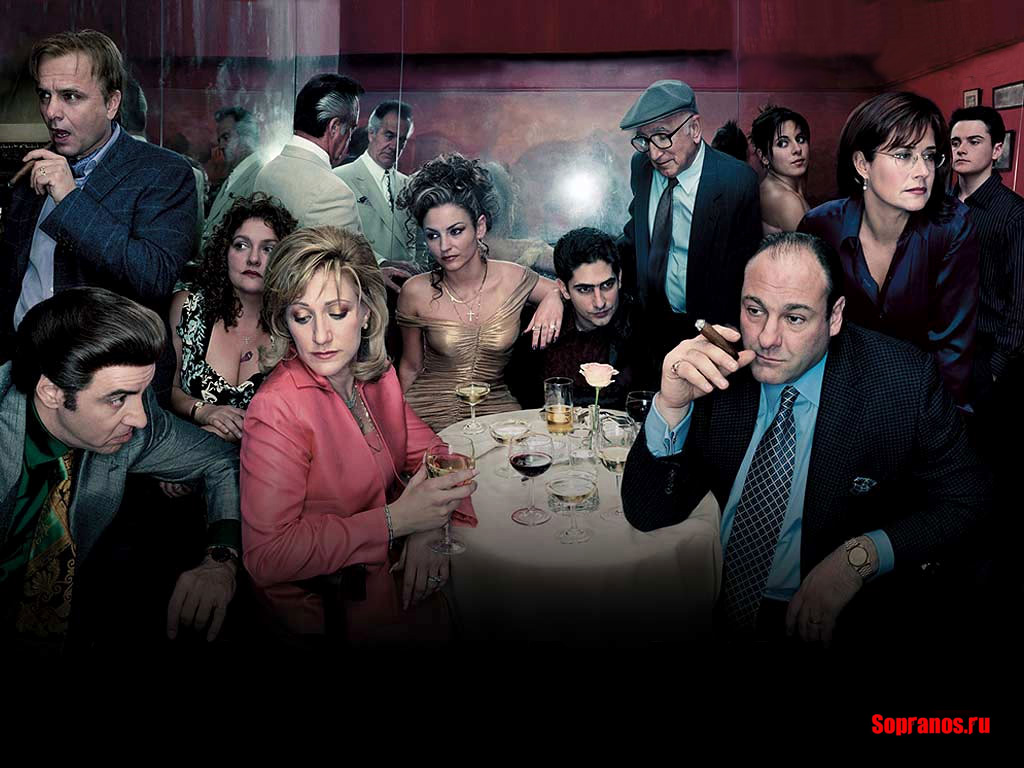
The final moral decision.
“No matter how complex the actions of the characters over the course of the story, the final moral decision brings everything down to a choice between two. And it is final.”
– John Truby, Anatomy of Story p114
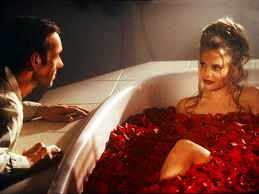
Moral effects
“How do your character’s actions hurt other people, and how, if at all, does the character make things right ?”
– John Truby, Anatomy of Story p110
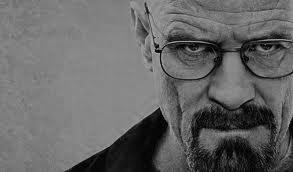
The Final Battle
“During the final battle, how do you express which values, the hero’s or the opponent’s, are superior in this fight?”
– John Truby, Anatomy of Story p141

Moral Vision
“Good writers express their moral vision slowly and subtly, primarily through the story structure and the way the hero deals with a particular situation.”
– John Truby, Anatomy of Story p109
Moral Vision
“Your moral vision is totally original to you and expressing it to an audience is one of the main purposes of telling the story.”
– John Truby Anatomy of Story (p108)