Screenwrite.org

Screenwrite.org

Search
Skip to content
  • About Steve
  • Commercial Concepts
#screenwriting

What is Theme?

May 27, 2012 Steve Edwards Leave a comment

“Theme is the author’s view of how to act in the world. It is your moral vision.”

– John Truby, Anatomy of Story  (p108)

#screenwriting

A Great Story.

May 25, 2012 Steve Edwards Leave a comment

“A great story is not simply a sequence of events or surprises designed to entertain an audience. It is a sequence of actions, with moral implications and effects, designed to express a larger theme.”

– John Truby, Anatomy of Story p108

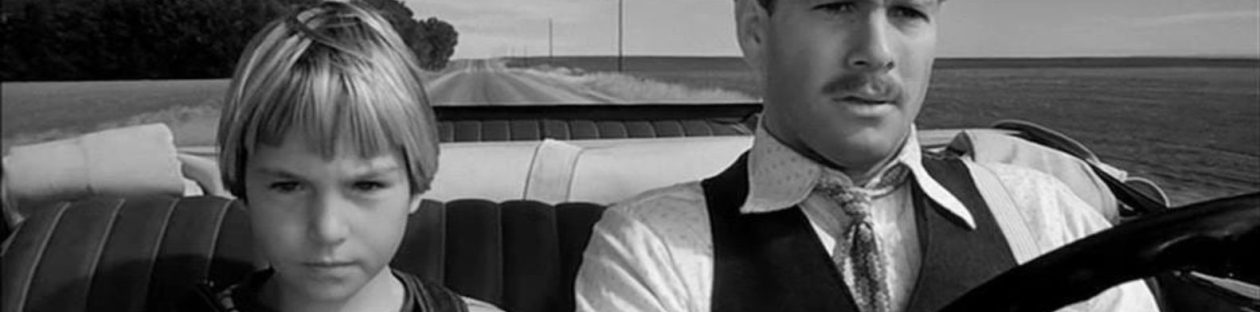
John Truby, Moral Revelation

Early Moral Argument

May 19, 2012 Steve Edwards Leave a comment

“The great advantage of an early moral argument between hero and opponent is that it gives the audience a clue about what values are really at stake.”

– John Truby, Anatomy of Story (p138)
 

Character, John Truby

Characterization

May 18, 2012 Steve Edwards Leave a comment

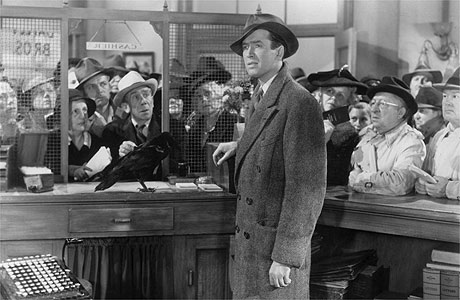
“You begin individuating your characters by finding the moral problem at the heart of the premise. You then play out the various possibilities of the moral problem in the body of the story.”

– John Truby, Anatomy of Story (p71)

#screenwriting

The Opponent

May 17, 2012 Steve Edwards 2 Comments

“Don’t think of the opponent as someone the hero hates. He may be, or he may not be. The opponent is simply the person on the other side. He can be a nicer person than the hero, more moral, or even the hero’s lover or friend.”

– John Truby, Anatomy of Story (p59)

#screenwriting

Need: Psychological or Moral?

May 13, 2012 Steve Edwards Leave a comment

“Remember the key difference: A psychological weakness or need affects just the hero. A moral weakness or need affects others.”

– John Truby, Anatomy of Story (p53)
#screenwriting

Need.

May 12, 2012 Steve Edwards 7 Comments

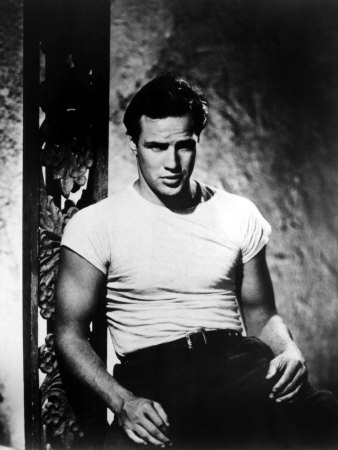
“Give your hero a moral need as well as a psychological need.”

– John Truby, Anatomy of Story
#screenwriting

Stupid Idea?

May 12, 2012 Steve Edwards Leave a comment

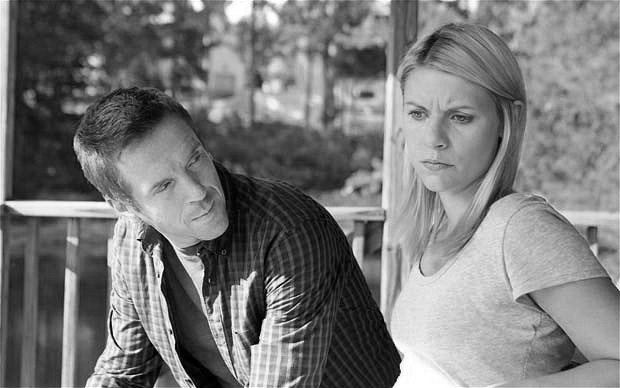
“Don’t censor or judge yourself. Don’t ever tell yourself that any idea you come up with is stupid. “Stupid” ideas often lead to creative breakthroughs.”

– John Truby, Anatomy of Story
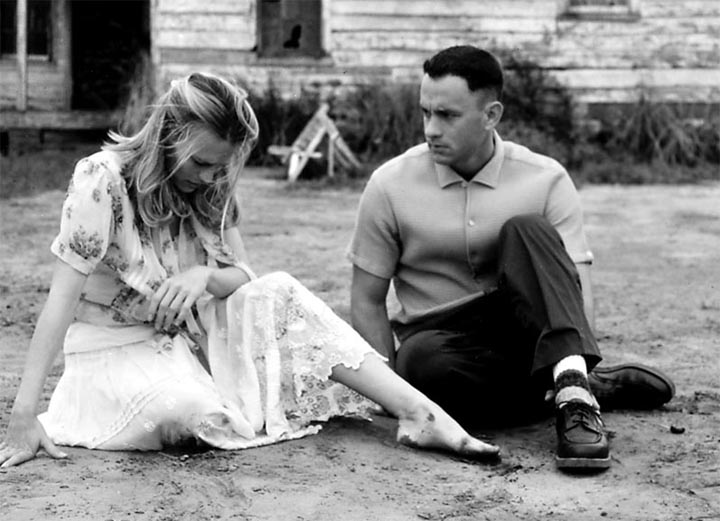
#screenwriting

Which character ?

May 10, 2012 Steve Edwards Leave a comment

“Always tell a story about your best character. ‘Best’ doesn’t mean ‘nicest’. It means the most fascinating, challenging and complex, even if that character isn’t particularly likeable.”

– John Truby, Anatomy of Story.

#screenwriting

Are your secondary characters valuable and complex?

May 5, 2012 Steve Edwards Leave a comment

“Each time you compare a character to your hero, you force yourself to distinguish the hero in new ways. You also start to see the secondary characters as complete human beings, as complex and as valuable as your hero.”

– John Truby, Anatomy of Story

Posts navigation

← Previous 1 … 19 20 21 … 23 Next →

60,132 hits

Top Posts & Pages

  • 10 tips to help write a prize-winning short story.
    10 tips to help write a prize-winning short story.
  • The Wire by David Simon (Bible Overview)
    The Wire by David Simon (Bible Overview)
  • Deconstructing Dialogue: The Town (part 1)
    Deconstructing Dialogue: The Town (part 1)
  • DEXTER part 5: Screen Time.
    DEXTER part 5: Screen Time.
  • Real Conflict
    Real Conflict
  • X-Files - Pilot  - dialogue part i
    X-Files - Pilot - dialogue part i
  • Major characters + moral problems
    Major characters + moral problems
  • Direct conflict
    Direct conflict
  • Your Moral Vision
    Your Moral Vision
  • Obsessive Drive
    Obsessive Drive

Cinematic Storytelling Across Film, Television & Brand Identity

  • #screenwriting
  • 1950's
  • 3 Act Structure
  • Aaron Sorkin
  • Action
  • Auteur Theory
  • Breaking Bad
  • Character
  • Character
  • Dexter
  • Dialogue
  • Dialogue
  • Feminism
  • Films
  • Guest Blog
  • Happy Valley
  • Harry Brown
  • Hero's Journey (Vogler)
  • History of the Screenplay
  • Interviews
  • Jimmy McGovern
  • John Truby
  • John Yorke
  • MA Falmouth reflective blog
  • Menu A
  • Michael Hague
  • Moral Argument
  • Moral Revelation
  • Moral Vision
  • Motifs
  • Peaky Blinders
  • Quotes
  • Romantic comedy
  • Scriptcat
  • Structure
  • Supreme Ordeal
  • The Capture
  • The Serpent
  • The Town
  • Theme
  • TV
  • #screenwriting
  • 1950's
  • 3 Act Structure
  • Aaron Sorkin
  • Action
  • Auteur Theory
  • Breaking Bad
  • Character
  • Character
  • Dexter
  • Dialogue
  • Dialogue
  • Feminism
  • Films
  • Guest Blog
  • Happy Valley
  • Harry Brown
  • Hero's Journey (Vogler)
  • History of the Screenplay
  • Interviews
  • Jimmy McGovern
  • John Truby
  • John Yorke
  • MA Falmouth reflective blog
  • Menu A
  • Michael Hague
  • Moral Argument
  • Moral Revelation
  • Moral Vision
  • Motifs
  • Peaky Blinders
  • Quotes
  • Romantic comedy
  • Scriptcat
  • Structure
  • Supreme Ordeal
  • The Capture
  • The Serpent
  • The Town
  • Theme
  • TV
Blog at WordPress.com.
  • Subscribe Subscribed
    • Screenwrite.org
    • Join 86 other subscribers
    • Already have a WordPress.com account? Log in now.
    • Screenwrite.org
    • Subscribe Subscribed
    • Sign up
    • Log in
    • Report this content
    • View site in Reader
    • Manage subscriptions
    • Collapse this bar

Loading Comments...