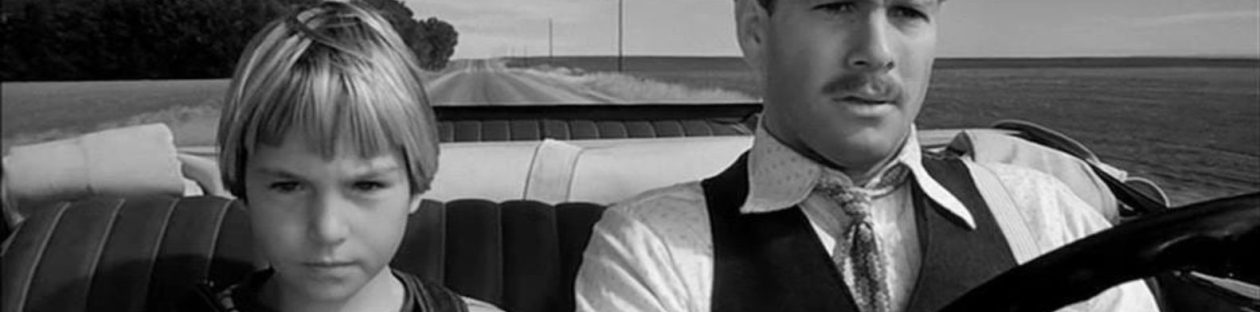
“At the most advanced level of moral argument in storytelling is the writer who creates a unique moral vision.”
– John Truby, Anatomy of Story, p137
Category Archives: Moral Revelation
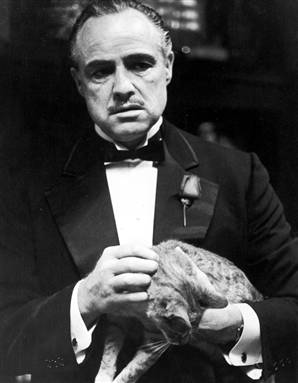
Major character? Moral problem?
“Make sure each of the major characters deals with the same moral problem, but in a different way.”
– John Truby, Anatomy of Story, p115

Major characters + moral problems
“Make sure each of the major characters deals with the same moral problem, but in a different way.”
– John Truby, Anatomy of Story, p115
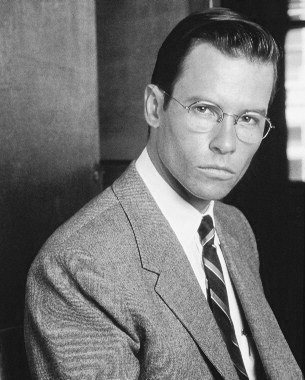
The Central Moral Problem
“Look again at the final moral decision and your work on the premise line so you are clear about the central moral problem your hero must deal with in the story.”
– John Truby, Anatomy of Story p115

Your Hero’s Moral Decision
“Once you have figured out the deepest moral opposition by looking at the hero’s final moral choice, you detail this opposition through the character web by making each of the major characters a variation on the theme.”
– John Truby, Anatomy of Story p115
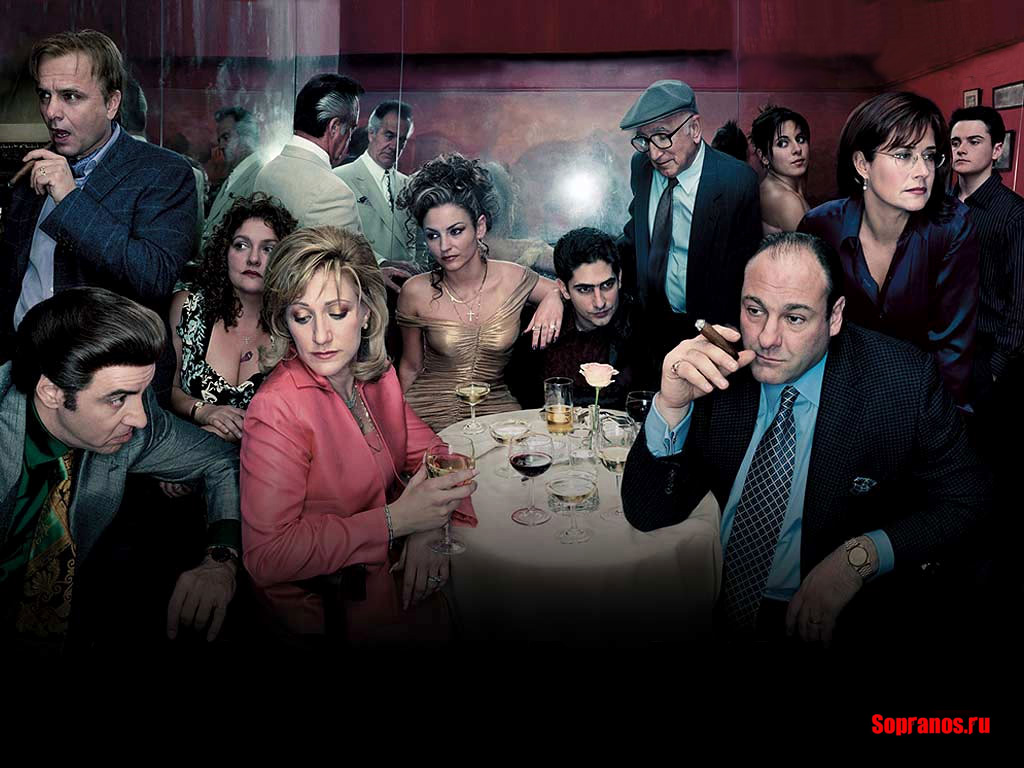
The final moral decision.
“No matter how complex the actions of the characters over the course of the story, the final moral decision brings everything down to a choice between two. And it is final.”
– John Truby, Anatomy of Story p114
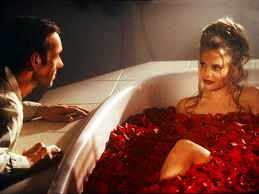
Moral effects
“How do your character’s actions hurt other people, and how, if at all, does the character make things right ?”
– John Truby, Anatomy of Story p110
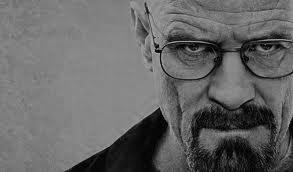
Early Moral Argument
“The great advantage of an early moral argument between hero and opponent is that it gives the audience a clue about what values are really at stake.”
– John Truby, Anatomy of Story (p138)
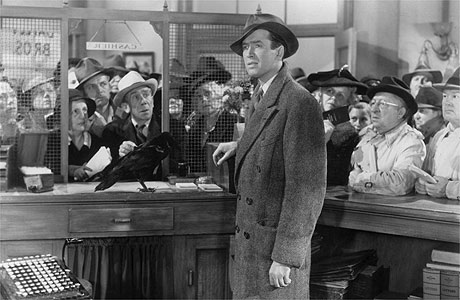
The moral argument.
“The moral argument is most powerful when it is most dramatic. This means holding off the hero’s moral self-revelation until as close to the end of the story as possible.”
– John Truby, Anatomy of Story

Your Hero’s Moral Weakness
“What is your hero’s main weakness when it comes to acting towards others?”
– John Truby, Anatomy of Story


