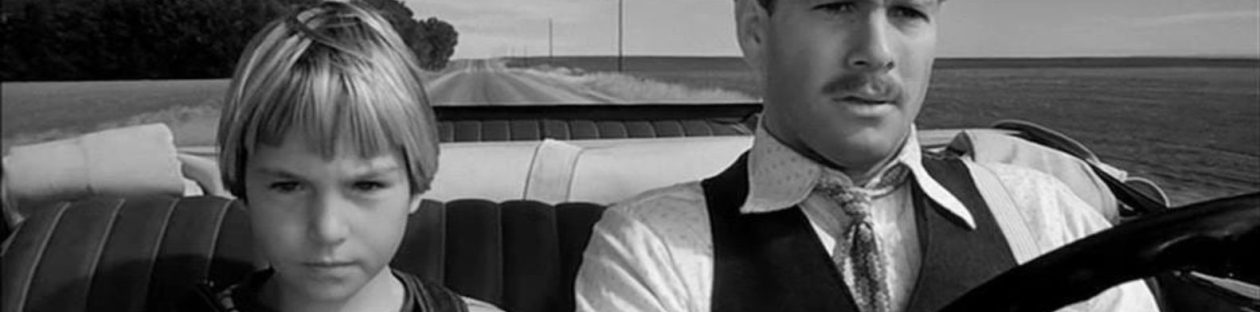
“In most real conflict there is no clear good and evil, right and wrong. In a good story both hero and opponent believe that they are right, and both have reasons for believing so.”
– John Truby, Anatomy of Story, p138
All posts by Steve Edwards
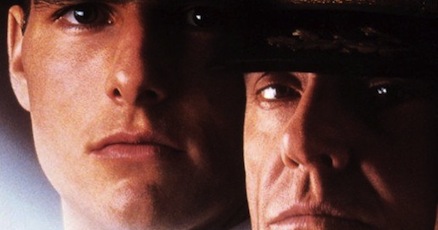

Obsessive Drive
“Describe when and how your hero becomes obsessed with winning. Put another way, is there a moment when your hero decides to do almost anything to win?”
John Truby, Anatomy of Story p141

Morally Complex?
“Your moral argument will always be simplistic if you use a two-part opposition, like good versus evil. Only a web of moral oppositions (four-corner opposition is one such web) can give the audience a sense of the moral complexity of real life.”
John Truby, Anatomy of Story p118
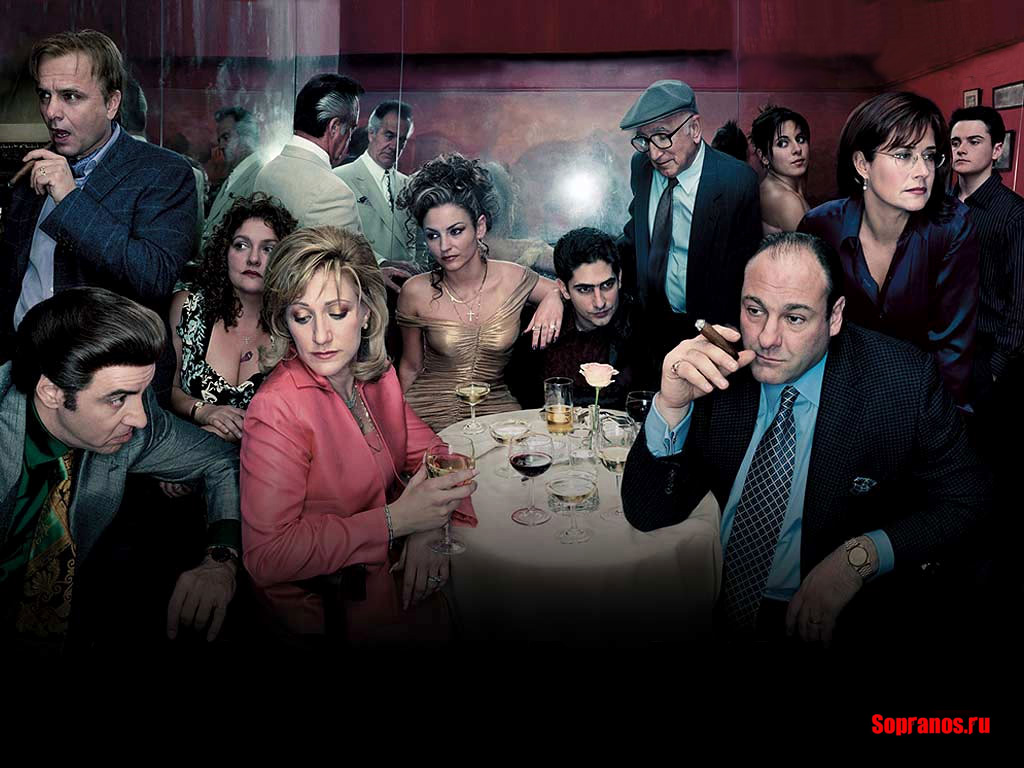
Your Moral Vision
“At the most advanced level of moral argument in storytelling is the writer who creates a unique moral vision.”
– John Truby, Anatomy of Story, p137
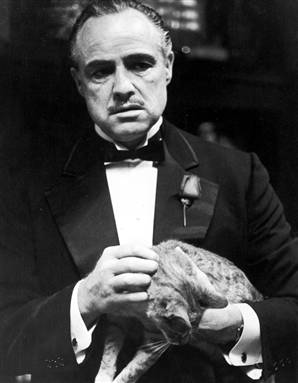
Truby on the Black Comedy
“The best way to pull the audience emotionally into a black comedy is to have your hero speak passionately about the logic of his goal.”
– John Truby, Anatomy of Story, p136
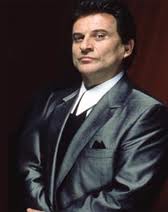
Direct conflict
“As your hero and his opponents fight over the goal, make sure their values come into direct conflict.”
– John Truby, Anatomy of Story p117
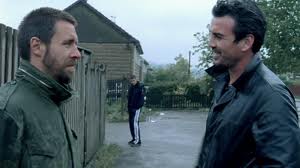
Deep-seated beliefs
“Identify a set of values for your hero and each of the other major characters. Remember, values are deep-seated beliefs…”
– John Truby, Anatomy of Story, p117

Major character? Moral problem?
“Make sure each of the major characters deals with the same moral problem, but in a different way.”
– John Truby, Anatomy of Story, p115

Major characters + moral problems
“Make sure each of the major characters deals with the same moral problem, but in a different way.”
– John Truby, Anatomy of Story, p115
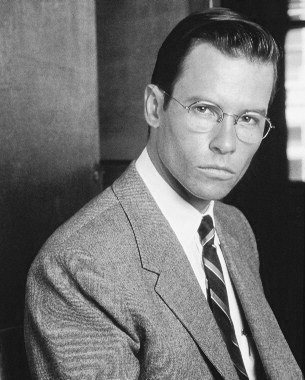
The Central Moral Problem
“Look again at the final moral decision and your work on the premise line so you are clear about the central moral problem your hero must deal with in the story.”
– John Truby, Anatomy of Story p115


